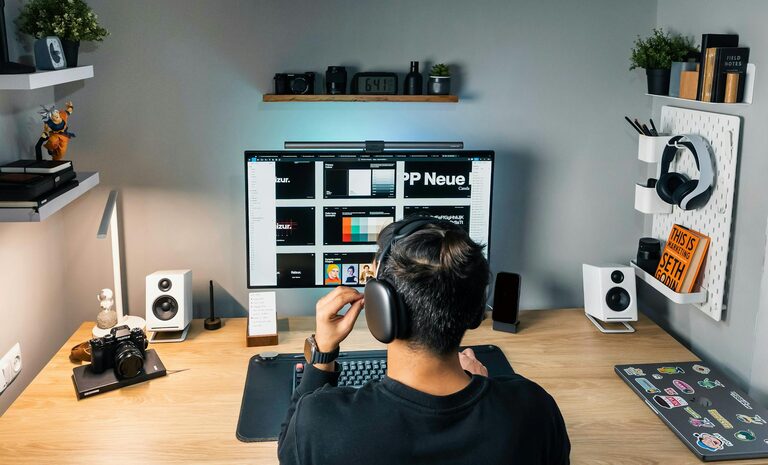
Creating a home office that supports productivity and comfort can make a significant difference in your work-from-home experience. Whether you are new to remote work or looking to improve your current setup, organizing a space that helps you focus while feeling comfortable is essential. In this post, we’ll explore practical tips to help you design a home office that fosters concentration, minimizes distractions, and promotes well-being.
Why a Dedicated Home Office Matters
Working from a designated office space helps separate your professional and personal lives. It signals to your brain that it’s time to focus and be productive. A well-thought-out workspace reduces risk of distractions and encourages healthy work habits, improving overall efficiency.
Choose the Right Location
Find a Quiet Spot
Select a quiet area in your home with minimal foot traffic. Avoid spaces near noisy appliances, busy family rooms, or the front door. If space is limited, consider using a room divider or noise-cancelling headphones to block out sounds.
Utilize Natural Light
Position your desk near a window to benefit from natural light. Natural lighting enhances mood and alertness, helping you focus better during the day. Be mindful of glare on your screen—adjust blinds or curtains as needed.
Invest in Ergonomic Furniture
Select a Comfortable Chair
Your chair should provide good lumbar support and adjust to your height. Sitting comfortably reduces the risk of back pain and fatigue during long work hours.
Choose the Right Desk
Opt for a desk that fits your space and provides enough room for your equipment. Standing desks or adjustable-height desks offer flexibility to alternate between sitting and standing, which can boost energy and reduce strain.
Organize for Efficiency
Declutter Your Workspace
Keep only essential items on your desk to minimize distractions. Use cable organizers to manage cords, and store supplies in drawers or desk organizers.
Use Storage Solutions
Shelves, filing cabinets, and storage boxes help keep important documents and tools tidy. Label containers clearly for easy access.
Optimize Technology Setup
Invest in Quality Equipment
A fast, reliable internet connection is crucial for video calls and online work. Use a good-quality keyboard and mouse to reduce strain.
Position Your Monitor Correctly
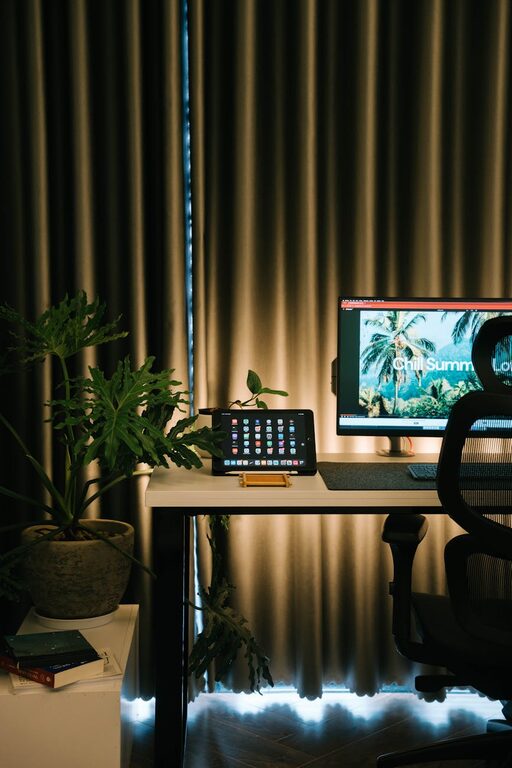
Place your monitor at eye level, about an arm’s length away, to prevent neck and eye strain. Consider using a monitor stand or adjustable arm.
Create a Comfortable Atmosphere
Control Room Temperature
Maintain a comfortable temperature range—too hot or too cold can distract you. Use a fan or heater if necessary to stay comfortable.
Add Personal Touches
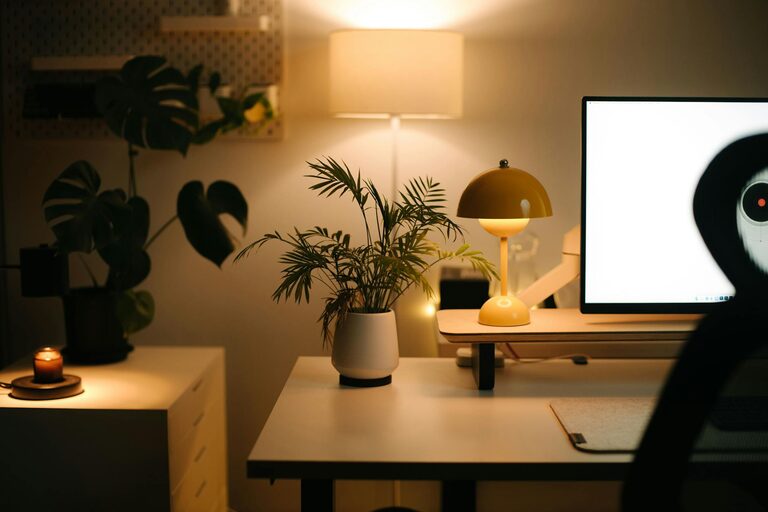
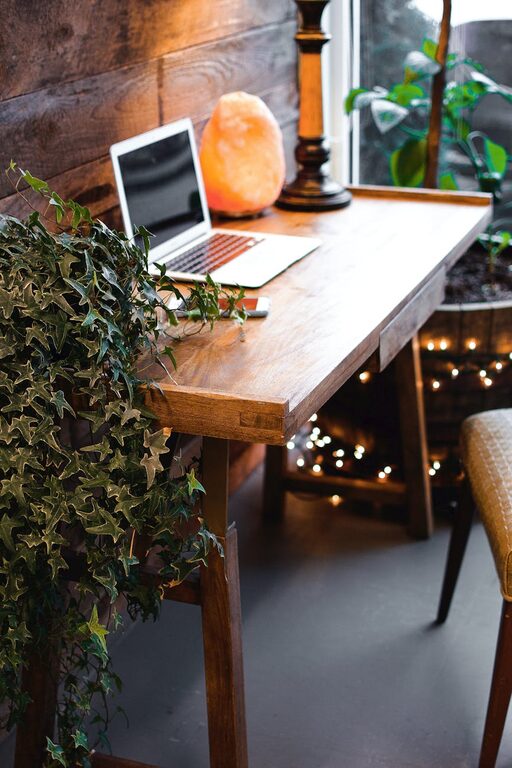
Incorporate plants, artwork, or décor that inspires you without cluttering the space. Greenery can improve air quality and boost mood.
Manage Noise and Distractions
Use Noise-Cancelling Headphones
If noise from other areas of your home is unavoidable, noise-cancelling headphones can help you focus.
Set Boundaries with Household Members
Communicate your work hours to family or roommates to minimize interruptions during important tasks.
Prioritize Daily Routine and Breaks
Stick to Regular Work Hours
Establish consistent start and end times to create a healthy work-life balance.
Take Breaks to Recharge
Short breaks improve focus and reduce fatigue. Stand up, stretch, or take a brief walk away from your workspace.
Keep Your Space Clean
A clean workspace promotes a clear mind. Make tidying part of your daily or weekly routines to maintain a pleasant environment.
—
By carefully planning your home office space with these tips, you can create an environment that supports your productivity and comfort. Remember that the best workspace is one tailored to your personal needs, so feel free to adapt these suggestions to what works best for you. Happy working!
About the Author